Youth Music Program in Nashville
Why Studio Time Builds Confidence Faster Than Lessons Alone
April 23, 2026
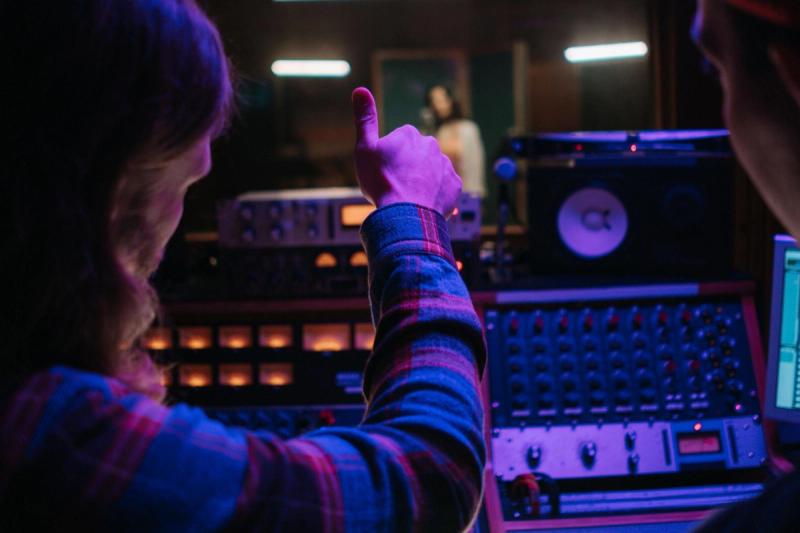
Music education isn't just "learning songs." It builds attention, coordination, and social skills kids use everywhere, and it's tied to real outcomes: 90.2% graduation rates in schools with music programs, compared to 72.9% in schools without.
However, not all learning methods are equal. At Mobile Music Institute, we teach by doing, because confidence shows up faster when the work becomes real. Here's how our youth music programs in Nashville, Phoenix, San Diego, and other cities teach the industry, not just the song.
The Benefits of Music Lessons
Even a kid that's naturally "gifted" can't pick up a new instrument and play flawlessly. They still have to build muscle memory, coordination, and focus. They have to practice, fail, and try again.
Music lessons give students a foundation to stand on, with incremental wins that prove consistency pays off.
1. Building a Technical Foundation
The unglamorous work, learning timing, pitch, and control, is what keeps you steady when nerves hit. Lessons also develop kids' ears and musical vocabulary, so they can hear when something's "off" and communicate clearly.
2. Practicing Consistently
Weekly check-ins create momentum. It gives them time to slow down, isolate, and build back up, building their skills and confidence without an audience.
3. Taking Accountability
Before a student can thrive in a group setting, they have to learn how to be responsible for themselves. Lessons give them an environment to learn solo accountability, show up prepared, and know their part before they join a band.
The Benefits of Studio Sessions
You can learn chords alone, but you can't learn collaboration alone. Studies show the social and emotional impact that learning in a group setting that demands cohesion has, including higher confidence and competency.
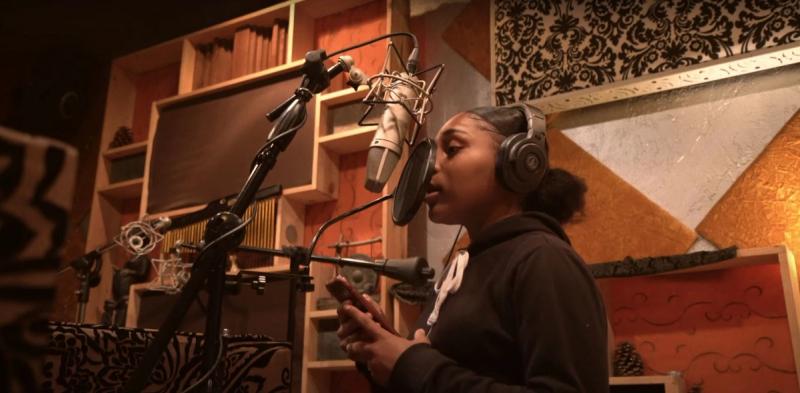
Studio time exposes students to the real moving parts behind a song: a bandmate's idea, an engineer's feedback, a deadline staring at you... It forces them to listen, compromise, and finish even when things get messy, and it's a crucial part of our youth music education program in Nashville.
1. Real-World Workflows
A studio has an order to it, and that order teaches responsibility. Students move through a connected workflow of writing, tracking, listening back, and revising, exposing them to behind-the-scenes roles they didn't know were options.
That's where confidence shows up fast, not in theory, but in the playback of their own progress. This experience not only teaches follow-through, but helps kids start seeing music as a future with lanes instead of a dream that lives or dies on talent alone.
2. Teamwork With Stakes
Studio teamwork isn't just about everyone being nice to each other. It's learning how to build something together when everyone has an opinion.
When you don't do your homework before a private lesson, you're the only one affected. When you don't do your part in the studio, everyone faces the consequences. There's no hiding in a band, so students learn to listen, communicate, and compromise, developing the skills to stay steady even under the stress of disagreements and deadlines. They learn how to take feedback without folding and regroup when someone misses a cue.
This is where kids stop soloing at the same time and start sounding like a unit, building a kind of confidence that lessons alone can't.
3. Feedback Loops & Recovery
In lessons, feedback can feel theoretical and never-ending. In the studio, you can hear the difference feedback makes. Students learn how to talk about what they're hearing instead of reacting emotionally. They learn that a shaky take is a fixable problem, not a personal failure. They try something, hear it, adjust, and hear the improvement immediately.
The studio is a space to finish something, not just "work on" it. So, when something doesn't work, you troubleshoot instead of quitting. When takes fall apart, they regroup instead of collapsing, and that "recovery muscle" transfers everywhere.
Studio time is a key part of our youth music program in Nashville because it's where identities start to shift. It can change the way they talk to themselves (self-talk) and about themselves. It's where they stop seeing themselves as a kid who likes music and start moving like artists who can take direction, revise, and finish.
How We Combine Lessons & Studio Time
At Mobile Music Institute, we teach the craft, then we make students use it. We don't just talk about the mechanics of producing or the strategy behind marketing; we practice it, until the song is finished.
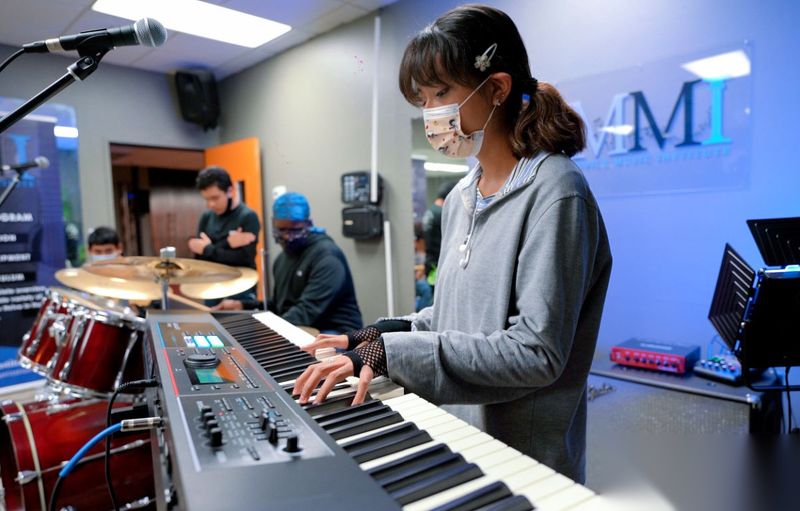
Our curriculum teaches students professional skills inside real-world workflows so they don't just leave knowing more, but being able to do more. They learn song structure and musical language, then bring it into studio sessions where decisions matter.
While the benefits of studio time are undeniable, we recognize that professional recording set-ups aren't realistic for many families. Renting studio space can cost hundreds of dollars an hour, not including production and recording fees. Our music mentorship program in Nashville removes that barrier, giving students free access alongside working professionals.
With mentors beside them, students leave with more than a certificate. They leave with skills, confidence, and a path they can actually follow.
Studio Access Shouldn't Depend on Luck
And it shouldn't depend on who you know or what you can afford, either. Whether you sponsor or volunteer at our youth music program in Nashville or donate to music education in Phoenix, your support matters.
It doesn't just give a student studio time. It gives them a community and confidence that can change their trajectory and inspire their entire community.