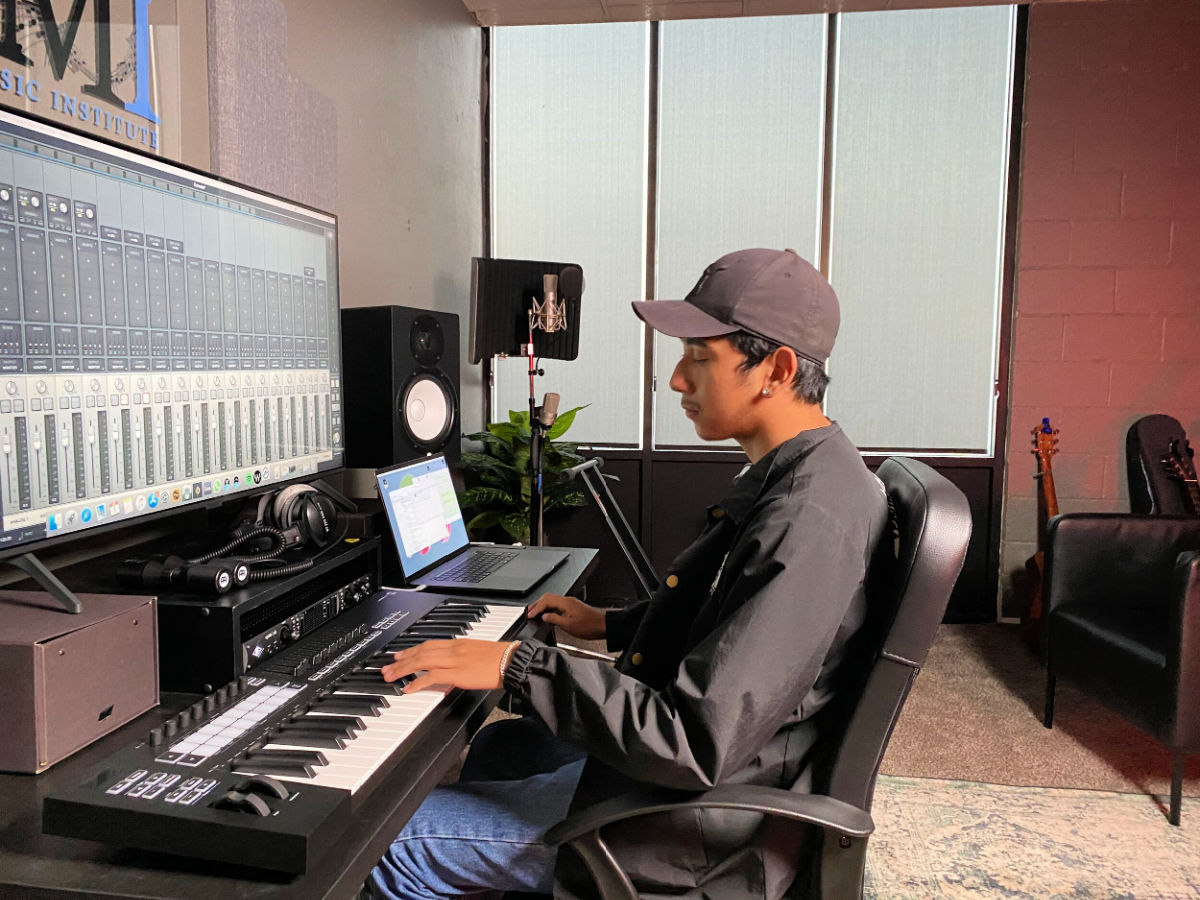
A young musician works on a keyboard and mixing screen in a hands-on music mentorship setting.

    Music Mentorship

    What We Do

    Bridging the gap between passion and profession.
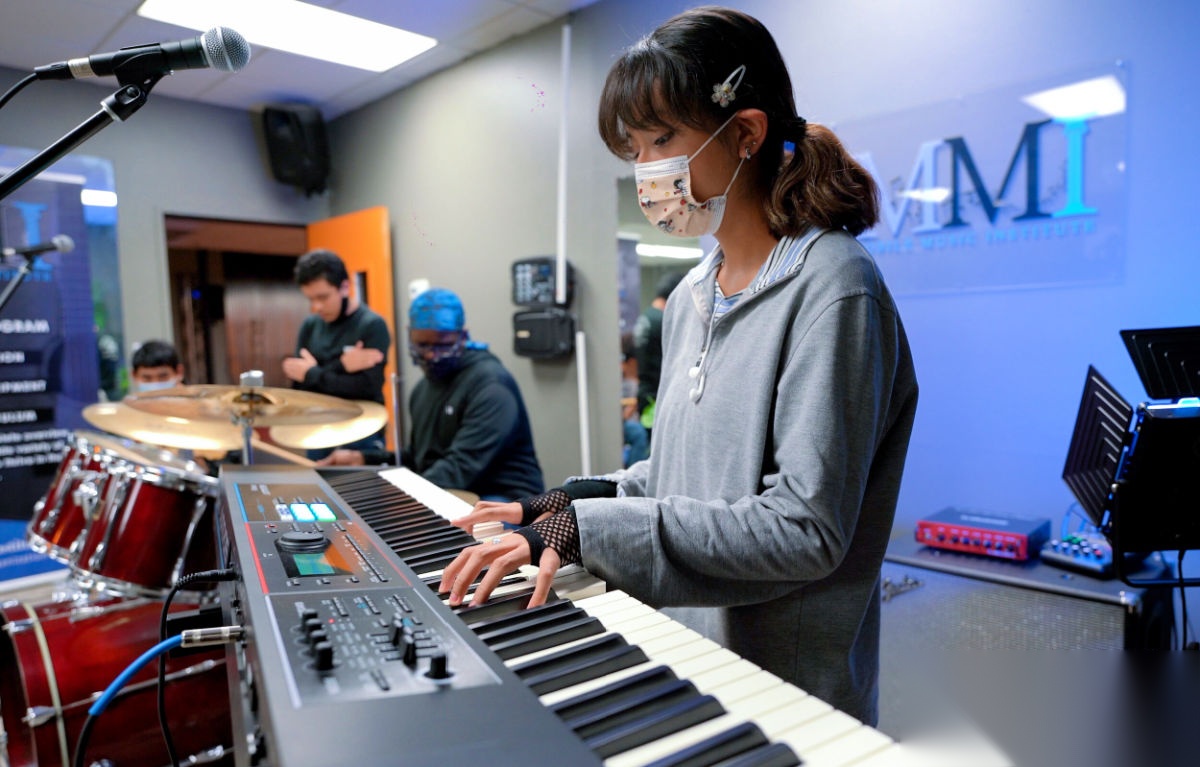
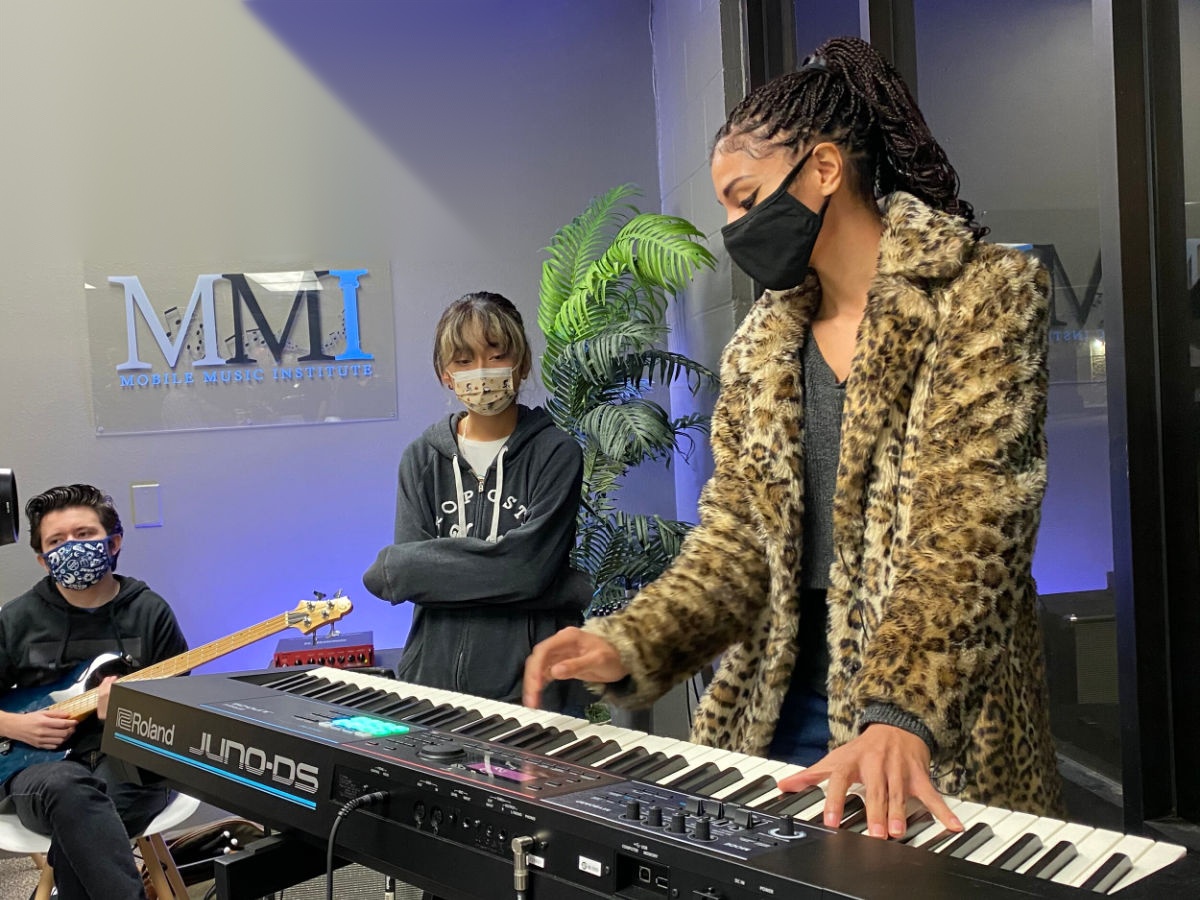
    A student plays keyboard in the studio during a music mentorship session at MMI.

    Practice Becomes Proof

    Real World Experience

    We don't simulate the industry. We immerse students in it. Real studios. Real equipment. Real pros who hold the bar and help them clear it.

    The proof isn't a promise. It's a link to a song that didn't exist until they did, and the confidence to start the next one.

    The Process

    From the first note to the final deal, we cover the entire spectrum of the music industry.

    1

    Band Placement

    Forming the creative unit.

    → Learn More

    Band Placement

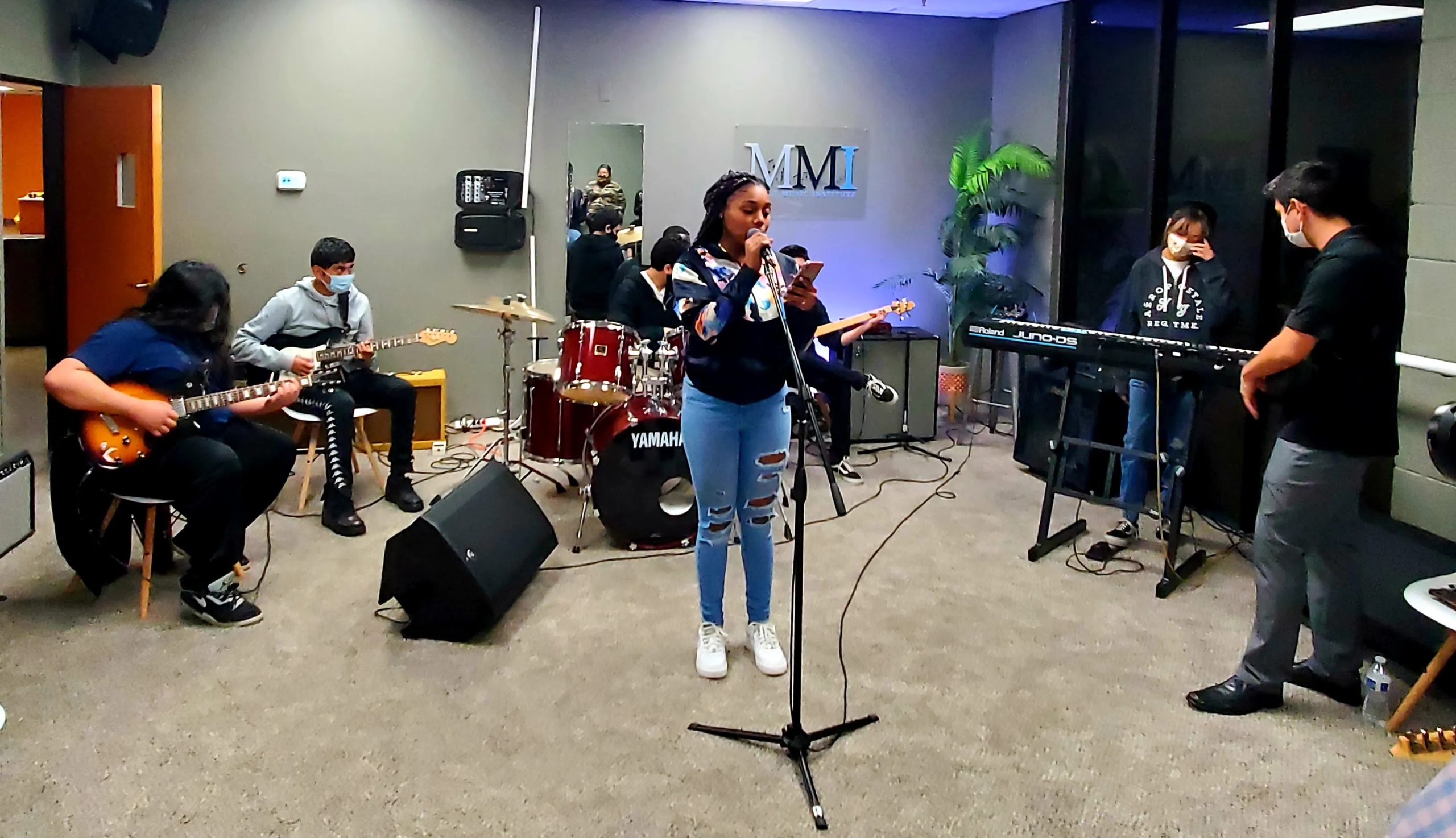
    We don't throw students into groups and hope it works. We do it the way professionals do, by what they bring to the table and how they fit together. Who writes? Who hears melodies first? Who's a natural leader, and who needs a little space to warm up? We balance skill, taste, and personality so the team can click. Then, we coach the part nobody teaches: how to communicate, split responsibilities, give notes without cutting, and make decisions that serve the song, not an ego.
    2

    Song Development

    Turning feelings into form.

    → Learn More

    Song Development

    Students don't "learn songwriting" in theory. They write. With professional songwriters and producers guiding the session, they brainstorm concepts, choose a direction, and shape it into lyrics, melodies, and harmonies. They learn how chord changes shift emotion, how to structure a track so it earns its chorus, and how to revise without losing the heart. Our music mentorship helps them take a feeling, shape it, and walk out with a complete song.
    3

    Recording & Engineering

    Teaching the technical craft.

    → Learn More

    Recording & Engineering

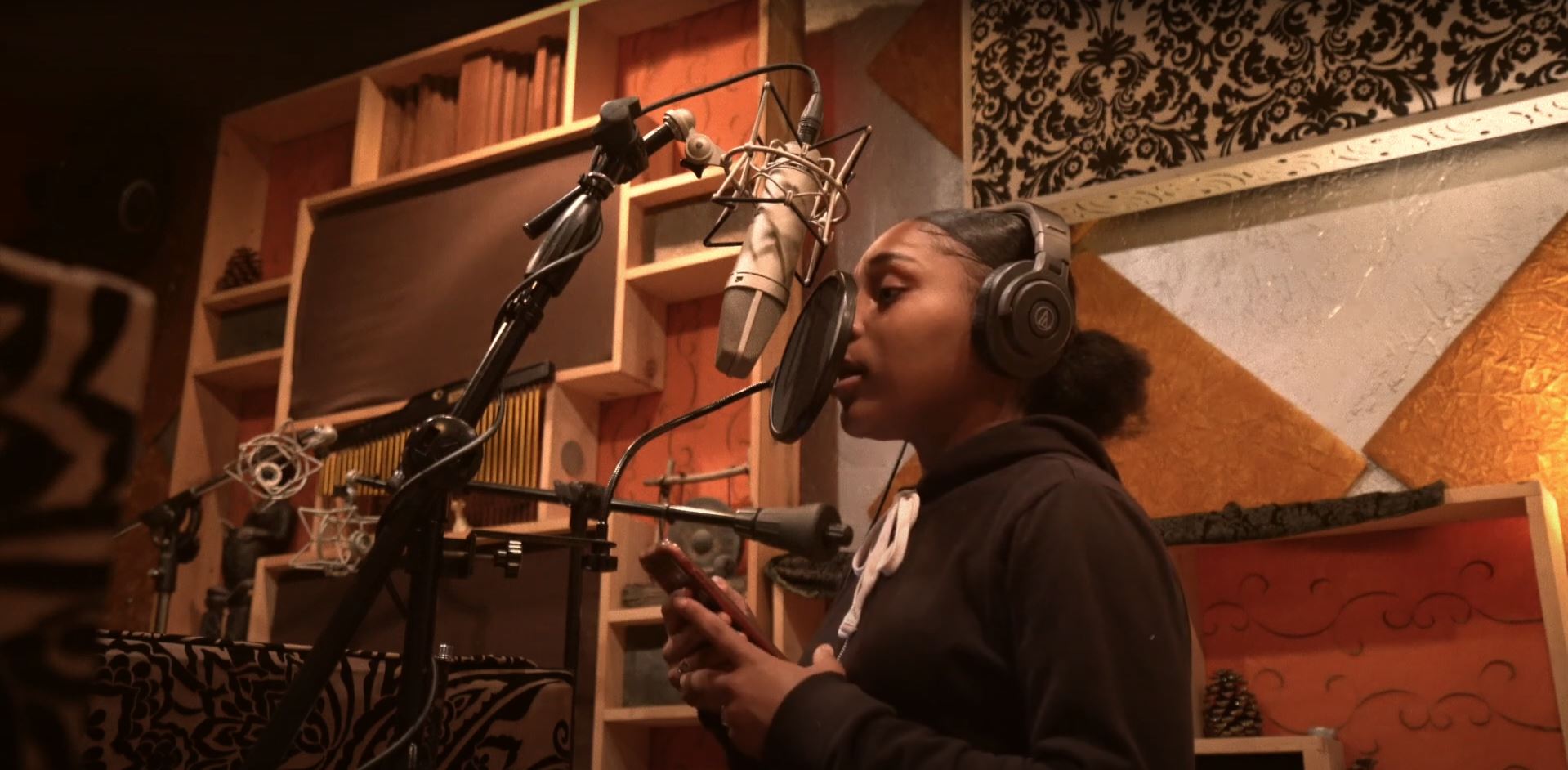
    We put students in the driver's seat, with an engineer right there to keep it moving. They set up mics and wire the room, listen, move it again, and hear the change. They trace the signal path so they know what's happening, not just what button to press. From there, they comp vocals, tighten timing, and balance the mix so the track holds up in a car, on earbuds, anywhere. They leave knowing how to capture sound on purpose, not by luck.
    4

    Live Sound

    Monitors, cues, and recoveries.

    → Learn More

    Live Sound

    Studio confidence is different from stage confidence, so we train both. Students learn what the crowd never sees. They practice mic technique, stage movement, and how to lead with energy instead of anxiety. Then we run the mechanics: soundcheck routines, in-ear basics, and how to talk to a front-of-house engineer so the mix works for everyone. They learn why live sound changes night to night, and how to adjust without derailing the song. Why? A show is a job, and the difference between "we practiced" and "we're ready" is knowing how to work live sound.
    5

    Branding & Presence

    A story that earns attention.

    → Learn More

    Branding & Presence

    In the music industry, being talented isn't the same as being found. That's why we show students how to introduce themselves like an artist, not just a kid with a song. They work with marketing professionals to answer the real questions: What's your name? What do you sound like? What do you stand for? They build an artist bio, pick a visual direction, and create simple promo assets they can actually use. They learn what consistency looks like and how to keep showing up without burning out. It matters because when opportunities come—a gig, a feature, a school showcase—you need something ready to send, not something you panic-build overnight.
    6

    The Business Side

    What you sign and what you keep.

    → Learn More

    The Business Side

    Our approach to music mentorship doesn't ignore financial conversations, because music is art and a job. Students learn what the paperwork means before they ever sign it, including contracts, royalties, publishing rights, and who gets paid for what. They learn how to book shows, negotiate a deal, and ask the questions that protect them. Then we look at touring like professionals do: budgets, costs, payouts, and what it takes to come home even. The point is simple: make smart choices and keep ownership close.

    Our Purpose

    Why We Do It

    Breaking Barriers

    The industry loves to talk about "discovering talent." We think it should stop hiding the tools. If you don't have the gear, the money, or the connection, the door stays shut no matter how much you love music. We built MMI to bring the room to them and close that gap, session by session.

    Creating Community

    Music is a universal language, but making a song together requires trust. Here, students get to be themselves, try things, mess up, and try again, feeling supported, not knocked down. They find teammates, mentors, and friendships that start with a hook and turn into something real.

    Building Futures

    Most students only see the spotlight. We show them the control room. The edit. The mix. The marketing. The jobs that turn music into a paycheck. That kind of music mentorship matters because it turns dreams into clear paths forward, with the skills to take them.

    Transforming Lives

    It's more than a confidence shift you can hear. While nurturing students' musical talents, we help them find their voice outside of the studio. They learn how to speak up, listen, take feedback, and compromise. Those skills follow them into class, back home, and into their careers.
    Be The Reason They're Heard

    Your support brings a real studio to a student who needs that "yes."