The State of the Current Music Industry: An Evolving Landscape
October 15, 2023
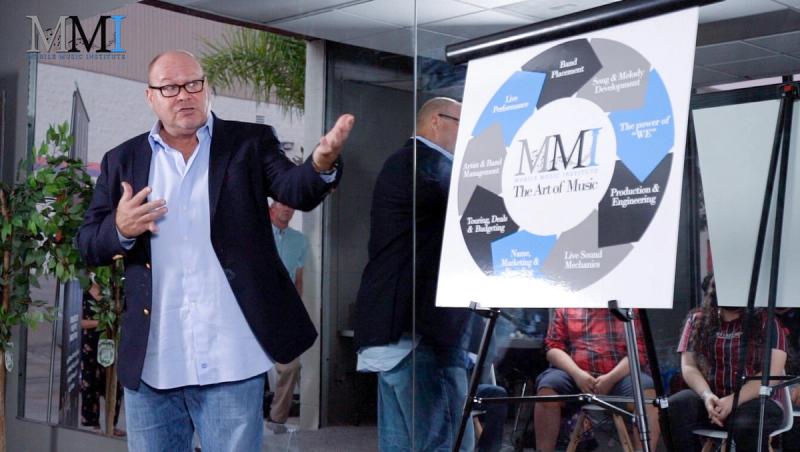
The music industry has witnessed monumental shifts in recent years, transforming itself into a dynamic and ever-changing landscape. With technological advancements and the rise of digital platforms, the way we discover, consume, and create music has been fundamentally altered. In this blog post, we will explore the current state of the music industry, highlighting both the opportunities and challenges that artists and stakeholders face today.
Streaming Revolution
One of the most significant transformations in the music industry is the rise of streaming platforms. Services like Spotify, Apple Music, and YouTube have revolutionized the way we listen to music. Streaming has not only made music more accessible to consumers, but it has also created new revenue streams for artists. However, the shift from physical sales to streaming has also brought its own set of challenges, including fair compensation for artists and the impact on album sales and physical formats.
Independent Artists and the Democratization of Music
The advent of digital platforms has democratized the music industry, allowing independent artists to have a global reach and directly engage with their audiences. Through social media, YouTube, and streaming platforms, talented artists can now build dedicated fan bases without relying on major record labels or traditional gatekeepers. This newfound accessibility has empowered artists to take creative control and navigate their careers on their own terms.
Industry Adaptation and the Power of Data
To adapt to the digital era, record labels, managers, and industry professionals have become more data-driven. The ability to analyze consumer behavior and trends has become paramount in making informed decisions about signings, marketing strategies, and tour planning. Embracing data analytics helps stakeholders identify emerging artists, understand audience preferences, and tailor music recommendations, ultimately enhancing the listener's experience.
Decline of Physical Sales
While physical sales still hold sentimental value for many, their decline is undeniable. The consumption habits of music lovers have shifted towards digital platforms and streaming. This decline has had both positive and negative effects on the industry. On one hand, it threatens brick-and-mortar retailers and album artwork and liner notes. On the other hand, it has encouraged artists to focus more on touring, merchandise sales, and innovative limited edition physical releases.
Copyright and Royalty Issues
The digital age has posed challenges in terms of copyright infringement and fair distribution of royalties. Artists continue to fight for fair compensation, as streaming royalties often depend on a complex formula. Artists, songwriters, and producers are advocating for changes to ensure a more equitable financial landscape, where creators receive their fair share for their work.
What's to Come
The music industry is experiencing a transformative phase, characterized by rapid technological changes, shifts in consumer behaviors, and opportunities for independent artists. It's a time of great possibility, but also one that demands adaptation and resilience. As consumers, we have endless musical choices at our fingertips, and artists have more agency and opportunities to reach their audiences than ever before. While challenges remain, the current state of the music industry offers exciting prospects for the future of music creation, distribution, and accessibility.